

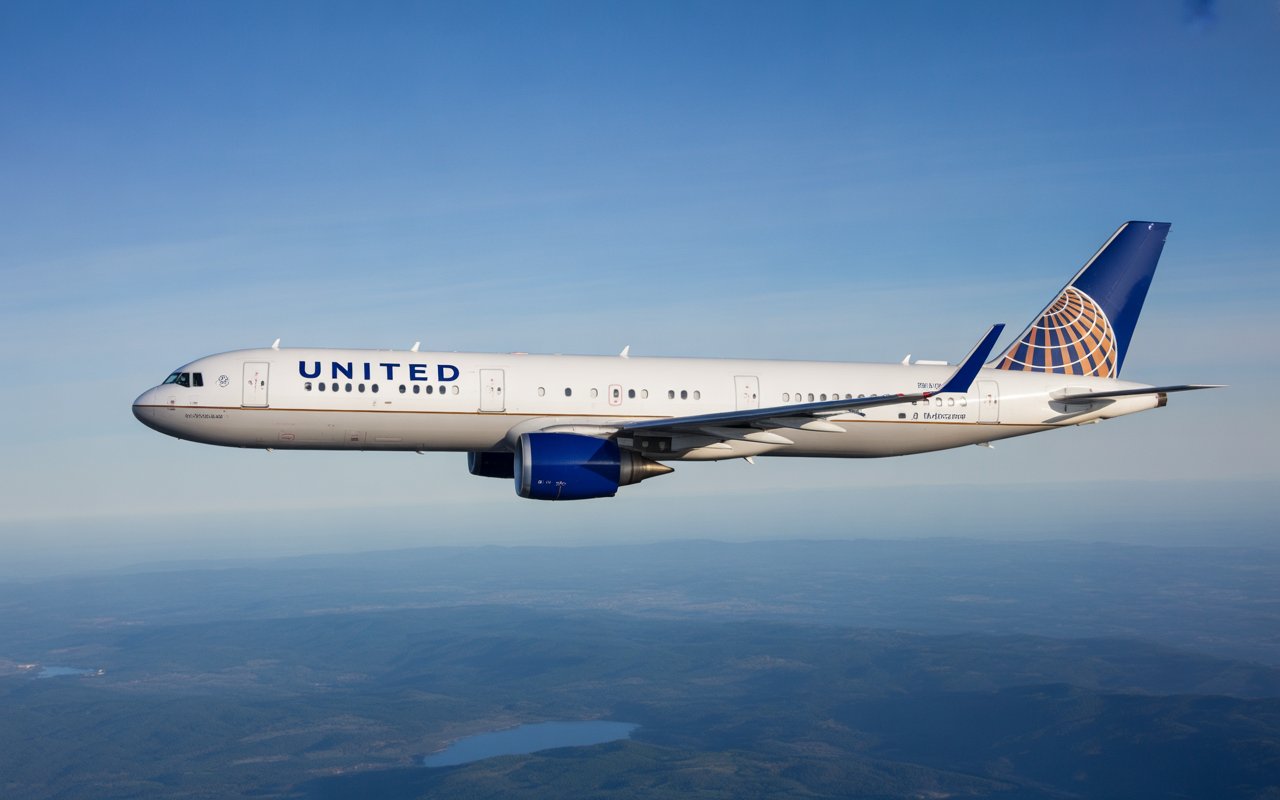
United Airlines Flight UA770 recently became the center of aviation attention due to an emergency diversion that demonstrated the airline’s commitment to safety. The flight, a Boeing 787‑9 Dreamliner, was traveling from Barcelona to Chicago when the crew detected a pressurization alert. This led to a precautionary diversion to London Heathrow. The united airlines flight ua770 emergency diversion highlights the importance of safety protocols, crew training, and immediate decision-making in modern aviation. Passengers were kept informed, and the aircraft landed safely without any injuries.
| Flight Details | Information |
|---|---|
| Flight Number | UA770 |
| Aircraft Type | Boeing 787‑9 Dreamliner (Reg N26902) |
| Departure | Barcelona–El Prat Airport (BCN) |
| Destination | Chicago O’Hare International (ORD) |
| Diversion Airport | London Heathrow (LHR) |
| Passengers | 257 |
| Crew | 12 |
| Emergency Code | Squawk 7700 |
| Injuries | None |
What Caused the Emergency Diversion
Pressurization Alert and Immediate Response
Approximately 90 minutes into the flight, pilots noticed an irregularity in the aircraft’s cabin pressurization system. At cruising altitude, air pressure is critical for passenger safety, and even minor fluctuations can be dangerous. The crew followed protocol by declaring an emergency, setting the transponder to Squawk 7700, and preparing the plane for an early descent. Although there was no loss of cabin pressure, the alert required immediate action to prevent any risk to passengers and crew.
The decision to divert reflects aviation’s conservative approach: pilots prioritize safety above schedule or convenience. By rerouting to the nearest suitable airport, in this case London Heathrow, they ensured the situation was addressed quickly and efficiently.
Timeline of the United Airlines Flight UA770 Emergency Diversion
Step-by-Step Sequence of Events
The events unfolded rapidly but were managed expertly by the crew and air traffic control.
The flight departed Barcelona at approximately 2:30 PM CEST. Around 4:00 PM, the pressurization alert was triggered. The pilots declared an emergency within minutes and coordinated with air traffic control to receive priority clearance for landing. By 4:55 PM local time, the aircraft safely touched down at London Heathrow’s Runway 27R. Passengers began deplaning shortly thereafter, and ground crews conducted a full technical inspection of the pressurization system.
| Time (Local) | Event |
|---|---|
| 2:30 PM CEST | Departure from Barcelona |
| 4:00 PM CEST | Pressurization alert triggered |
| 4:05 PM CEST | Emergency declared, Squawk 7700 |
| 4:10 PM CEST | Flight rerouted to London Heathrow |
| 4:55 PM BST | Safe landing at Heathrow |
| 5:15 PM BST | Passengers begin deplaning |
| 6:00 PM BST | Technical inspection begins |
Why London Heathrow Was the Best Choice
Nearest Suitable Airport with Emergency Preparedness
Heathrow Airport was selected due to its long runways capable of handling large wide-body aircraft like the Boeing 787‑9. Additionally, Heathrow maintains round-the-clock emergency response teams, including fire and medical units, ensuring that any potential complications could be addressed immediately. The airport also offers facilities for passenger care, baggage handling, and airline operational support. Choosing Heathrow minimized risk while providing a controlled environment to manage the situation safely.
Crew Actions During the Diversion
Maintaining Safety and Passenger Calm
During the united airlines flight ua770 emergency diversion, the flight crew executed established safety procedures. Pilots remained in constant communication with air traffic control to maintain priority clearance for landing. Cabin crew informed passengers of the situation calmly and clearly, preventing panic while ensuring compliance with safety instructions. The cabin was prepared for an early descent, and all passengers were briefed on proper safety protocols. Their experience and training ensured that even an unexpected alert was handled with professionalism and precision.
Landing and Post-Landing Procedures
Controlled Descent and Safe Touchdown
The Boeing 787‑9 descended under controlled conditions and landed safely at London Heathrow’s Runway 27R at approximately 4:55 PM BST. Emergency vehicles were stationed on standby but were not required to intervene. The aircraft was taxiing to the gate when ground teams immediately initiated a technical inspection of the pressurization system. This proactive approach highlights the aviation industry’s focus on addressing potential issues before they escalate.
Passenger Support and Care
Following the diversion, United Airlines provided support to all passengers, including rebooking for connecting flights, accommodation vouchers for those with delayed onward travel, and meals while waiting. Passengers confirmed that the crew’s consistent communication and calm demeanor minimized anxiety during the unscheduled landing.
If needed, three key aspects of passenger support included:
- Meal vouchers during wait time
- Hotel accommodations for overnight stays
- Rebooking on later flights
Passengers’ Experience
Calm, Informed, and Safe
Passengers reported that communication was transparent and reassuring. No oxygen masks were deployed, indicating the pressurization system remained stable. The cabin atmosphere remained calm throughout, reflecting the crew’s ability to manage both technical challenges and human factors effectively. Despite the diversion, passengers highlighted the sense of safety and professionalism exhibited by the United Airlines crew.
Lessons from the UA770 Diversion
Safety, Preparedness, and Training in Action
The incident demonstrates that aviation safety systems function as intended. Early alerts allowed the crew to act proactively. Pilots and cabin crew training ensures that preventive measures, not reactive panic, guide decisions. Passengers benefit from structured communication, while air traffic control ensures swift coordination for priority landing. The diversion serves as a real-life case study for risk management and operational excellence in aviation.
Frequently Asked Questionss
Are emergency diversions dangerous?
Emergency diversions are generally preventive. They do not indicate immediate danger but reflect the airline’s caution in response to a warning or alert.
What does Squawk 7700 mean?
Squawk 7700 signals an emergency to air traffic control, granting the flight priority for safe routing and landing.
Why were oxygen masks not deployed?
The pressurization alert did not escalate to a critical level. Oxygen masks are only necessary during actual loss of cabin pressure.
Conclusion
The united airlines flight ua770 emergency diversion proves that aviation safety protocols are effective, and trained crews can handle unexpected alerts without panic or injury. From rapid emergency declaration to safe landing at London Heathrow, this incident reinforces that safety always takes precedence over schedule. It also provides insight into the complexity of flight operations and the expertise required to manage emergencies successfully. Travelers can take comfort in knowing that airlines act decisively when any system signals potential risk.