

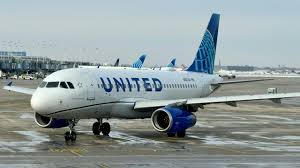
United flight UA109 diversion on October 30, 2025, took passengers by surprise when a transatlantic Boeing 787 Dreamliner from Munich to Washington, D.C. turned around midflight and made an unscheduled landing in Dublin. The unscheduled landing was triggered by a medical emergency involving a cabin crew member, and the move was executed as a precaution under long-haul safety protocols. The aircraft touched down safely in Dublin with all 200 people aboard unharmed. After a brief ground stop, UA109 resumed its journey to Washington that evening, arriving roughly two hours behind schedule.
United confirmed that the diverted aircraft landed safely in Dublin around 3:00 PM GMT, and departed about an hour later, ultimately arriving in Washington Dulles roughly two hours behind schedule. Officials described the detour as a routine precaution, in line with established long-haul safety protocols. Passengers later reported that clear announcements from the crew kept them reassured, and aside from the brief delay nearly everyone continued on to Washington with minimal inconvenience. The following sections will break down the full timeline of UA109’s diversion, examine why the crew made these decisions, and consider what the incident reveals about modern airline safety protocols.
| Category | Details |
|---|---|
| Airline | United Airlines |
| Flight Number | UA109 |
| Route | Munich (MUC) → Washington Dulles (IAD) |
| Date of Incident | October 30, 2025 |
| Aircraft Type | Boeing 787-8 Dreamliner (Reg. N28912) |
| Passengers (Approx) | ~200 |
| Diversion Airport | Dublin (DUB), Ireland |
| Reason for Diversion | Cabin crew medical emergency (flight attendant) |
Incident Details: October 30, 2025 Diversion
- On October 30, 2025, UA109 departed Munich at ~9:00 AM CET en route to Washington. Roughly 90 minutes into the flight, a cabin crew member reported severe pain from a blister. Concerned for the crew’s health and flight safety, the captain decided to divert.
- The aircraft executed a U-turn over the North Atlantic and diverted to Dublin Airport (DUB) as the closest suitable alternate. The plane landed safely at ~3:00 PM GMT (roughly 4:00 PM CET). All 200 passengers remained on board; no emergency evacuation was needed.
- Table 2: Timeline of Events (Oct 30, 2025) – A chronological breakdown of the diversion, showing key times (local and UTC) and actions taken.
| Time (Local) | Time (UTC) | Event |
|---|---|---|
| 9:00 AM CET | 8:00 AM UTC | Departed Munich (MUC) for Washington (IAD) |
| ~10:30 AM CET | 9:30 AM UTC | Cabin crew reports medical emergency (blister) |
| ~11:00 AM GMT | 11:00 AM UTC | Flight U-turn over Atlantic, heading east |
| 3:00 PM GMT | 3:00 PM UTC | Landed safely at Dublin Airport (DUB) |
| 4:15 PM GMT | 4:15 PM UTC | Departed Dublin for Washington D.C. |
| 6:30 PM EDT | 10:30 PM UTC | Arrived Washington Dulles (IAD), ~2h late |
Cause of Diversion: Crew Medical Emergency
- The primary cause was a cabin crew member’s medical issue. Reports indicate the flight attendant suffered intense pain from a blister, making it unsafe to continue the 9-hour journey without medical aid.
- On long-haul flights, regulations require a full, fit crew to operate safely. Losing even one attendant (especially mid-ocean) can violate staffing rules. As a precaution, United Airlines chose diversion to ensure the crew member received prompt treatment.
- It’s important to note that no other medical issues or mechanical problems were involved – the aircraft itself was fully airworthy. The decision was purely to safeguard the crew member’s health and overall passenger safety.
Why Dublin Was Chosen
- Dublin Airport (DUB) is one of the most common diversion points for North Atlantic flights. It was chosen because:
- Location: Dublin lies along the transatlantic route to the U.S. East Coast, making it reachable within minutes once the turnback was initiated.
- ETOPS Alternate: Dublin is a designated ETOPS alternate with extensive facilities. ETOPS (Extended Twin Operations) planning means UA109 must always be within range of a suitable airport, and Dublin was ideal.
- Medical Support: Dublin’s airport has well-equipped medical and emergency services for in-flight medical diversions, including operating rooms and trauma units.
- Ground Handling: The airport handles wide-body jets routinely and can assist with quick refueling, crew changes, and passenger services.
- In short, Dublin’s readiness to receive diverted flights and provide immediate care made it the logical choice.
Aftermath: Resumption of Flight
- Once on the ground in Dublin, medical personnel examined the crew member. Fortunately, no hospitalization was required – the condition, while painful, was stabilized.
- Passengers remained on board or in the terminal briefly while the aircraft was serviced and refueled. At 4:15 PM GMT the same day, UA109 departed Dublin and resumed its course to Washington Dulles.
- The flight landed at IAD at 6:30 PM Eastern Time, about two hours behind schedule. Overall, the disruption was minimal: all passengers eventually reached their destination safely that evening.
Passengers’ and Crew’s Experience
Passenger Care
The cabin crew communicated clearly with travelers about the unscheduled stop. By all accounts, passengers were kept informed and calm. Nobody reported panic or confusion.
Services
United likely offered support under its Irregular Operations policy – for example, lounge access or refreshments during the layover if needed. Since the delay was short and the flight continued the same day, no passenger required hotel accommodation.
Crew Status
The affected crew member received attention; other crew members rested. United Airlines ensured that flight- and duty-time regulations were still met (possibly bringing in reserve crew, although reports suggest the flight left with the same crew).
Outcome
All 200 passengers stayed on board after Dublin; there were no injuries or serious issues. The flight continued with everyone on board. In the end, travelers experienced only a slightly longer journey, and many appreciated the airline’s prompt handling of the situation.
Boeing 787-8 Dreamliner (UA109’s Aircraft)
- UA109 was operated by a Boeing 787-8 Dreamliner (Reg. N28912). This modern wide-body aircraft is designed for fuel-efficient long-haul flights. Key highlights:
- Range: ~14,000 km (9,000+ miles) – enough for nonstop transatlantic service.
- Capacity: Typically ~242 passengers (3-class); the aircraft on UA109 carried about 200 on this flight.
- ETOPS Certification: Equipped for ETOPS up to 330 minutes (over 5 hours) with this crew, meaning it can safely fly extended distances from any diversion airport.
- Comfort Features: Known for higher humidity and larger windows – though these are side notes, they underscore that UA109 is a state-of-the-art jet.
- Table 3: Boeing 787-8 Key Specs – A quick overview of the Dreamliner’s main characteristics.
| Feature | Specification |
|---|---|
| Maximum Range | ~14,140 km (7,635 nmi) |
| Typical Cruise Speed | Mach 0.85 (~913 km/h) |
| Engines | 2 × Rolls-Royce Trent 1000 |
| Passenger Capacity | ~242 (three-class layout) |
| ETOPS Rating | Up to 330 minutes |
| First Flight | 2009 (entered service 2011) |
Diversion Decision & ETOPS Context
Decision Process
Pilots and dispatch follow strict protocols. When the crew member reported the issue, the captain assessed the severity and consulted operations control. Safety procedures prioritize health and regulatory compliance (e.g. required number of attendants).
Alternate Airport Selection
Fuel levels, weather at potential airports, and proximity are all evaluated. Dublin emerged as the best option – it met all criteria (ETOPS alternate status, weather suitable, immediate medical help).
ETOPS Planning
ETOPS rules require twin-engine jets to always be within a certain flying time of an alternate airport. On the Munich–Washington route, Dublin (and Shannon, Ireland) are pre-designated alternates. In practice, this means UA109 was never far from a safe landing spot.
Implementation
The crew’s quick action exemplifies standard aviation protocol. Airlines train pilots to err on the side of caution. In this case, even a blister triggered the procedure, showing that precautionary landings (not just emergencies like fires or engine loss) are part of the safety culture.
Clarifying Destination Confusion
- Early social media posts mistakenly reported the flight was heading to Boston (BOS). This confusion likely arose from an unrelated Delta flight diversion and incorrect flight number association.
- Actual Destination: UA109’s scheduled endpoint was Washington Dulles (IAD) – as confirmed by United’s flight schedules and tracking data. The aircraft did indeed resume to Washington after Dublin.
- The clarification is important: it reinforces that UA109 was always a Munich–Washington flight. No changes in destination occurred other than the intended Dublin stop. Any reports to the contrary were errors from rapid online speculation.
Media Coverage and Public Reaction
News Outlets
Aviation and travel news sites reported the diversion with straightforward headlines (e.g. “UA109 Makes Unscheduled Stop in Dublin After Crew Medical Issue”). Articles emphasized no injuries and swift resolution.
Social Media
Flight tracking enthusiasts noted the U-turn over the Atlantic in real time. Posts on platforms like Twitter (X) and aviation forums showed interest but largely positive tone: people were relieved it was a minor medical case. There was zero panic or rumor of a crash.
Public Reaction
Many comments praised the crew for transparency and the airline for handling the incident. The general sentiment was trust in safety protocols. The diversion was widely seen as a textbook example of “better safe than sorry.”
Noteworthy Points
The mix-up about Boston was quickly corrected online. There was no major misinformation beyond that. In short, the media focus was on facts: a precautionary medical diversion that went smoothly, not a scandal.
United Airlines’ Response and Communication
- United Airlines did not release an official press statement (common for routine diversions), but passenger support was provided behind the scenes. Gate agents and crew addressed traveler needs and inquiries.
- No airline typically needs to issue a crisis statement for such events; instead, they use internal communication channels to manage the situation.
- The pilot or cabin crew likely made an announcement reassuring passengers, in accordance with UA’s protocol. (No public transcripts are available, but standard practice is a concise explanation and apology for delay.)
- United’s focus was on resolving the issue – ensuring the crew member was safe and that the aircraft could depart. The lack of controversy or complaints suggests the response was appropriate and effective.
Aviation Safety Lessons
Safety-First Culture
This incident highlights that even small medical issues lead to diversions. Airlines train crews to report and react promptly. The system worked: a potential risk was mitigated quickly.
Value of ETOPS Planning
Dublin’s role as an alternate airport underscores the importance of ETOPS regulations. The flight could always reach a secure haven within safe range, as planned.
Crew Coordination
Flight crews, medical staff, and ground services coordinated seamlessly. The crew member got care; passengers got support. This teamwork shows the strength of aviation protocols.
No System Failures
Importantly, there were no systemic failures or bad actors. Everything followed procedure. If anything, the “lesson” is that air travel has robust safety nets – you should feel reassured, not alarmed, that flights can handle surprises.
Looking ahead, airlines continually analyze such events to refine checklists and training. In this case, no major changes are needed – it reinforced best practices.
Conclusion
United Flight UA109’s diversion on October 30, 2025 was a precautionary, well-managed response to an on-board medical issue. A cabin crew member’s blister-induced pain prompted a turnback and landing in Dublin. Thanks to the aircraft’s ETOPS planning and the airline’s safety protocols, all 200 passengers and crew landed safely. The plane departed Dublin the same day and arrived at Washington Dulles a couple of hours late. No one was hurt.
This incident demonstrates that aviation safety systems work as intended. Diversions for crew (or passenger) health are relatively common, and crews are empowered to choose the nearest airport for care. In the end, UA109’s story is reassuring: safety was prioritized over schedules, and everyone’s well-being was protected. United and Dublin Airport handled the situation smoothly, turning what could be a panic-inducing event into just a brief delay and a reminder of rigorous flight safety standards.
FAQs
Why did United Flight UA109 divert to Dublin?
Because a cabin crew member experienced a medical issue (severe blister pain), and Dublin was the nearest suitable airport with medical facilities. The diversion was a precaution to ensure the crew member got care.
Was anyone injured during the UA109 incident?
No. There were no injuries. The medical problem was non-life-threatening. After examination in Dublin, the crew member was fine, and all passengers remained safe on board.
How long was the delay from the diversion?
The unscheduled stop caused about a 2-hour delay. UA109 arrived at Washington Dulles around 6:30 PM instead of its originally planned time.
Did United Flight UA109 continue to Washington after Dublin?
Yes. After refueling and medical checks in Dublin, the same aircraft departed and safely landed at Washington Dulles later that day. All passengers completed their journey on the same flight.
Why was Dublin chosen as the diversion airport?
Dublin is strategically located along North Atlantic routes and is designated as an ETOPS alternate. It has excellent medical and technical support for diverted flights. This makes it an ideal stop for transatlantic flights facing emergencies.
Are diversions like this common on long-haul flights?
They are not unusual. Flights divert several times a week worldwide for reasons like medical issues, minor mechanical faults, weather, or passenger incidents. In each case, the airline’s priority is safety. The crew aboard UA109 handled their responsibility exactly as trained.