

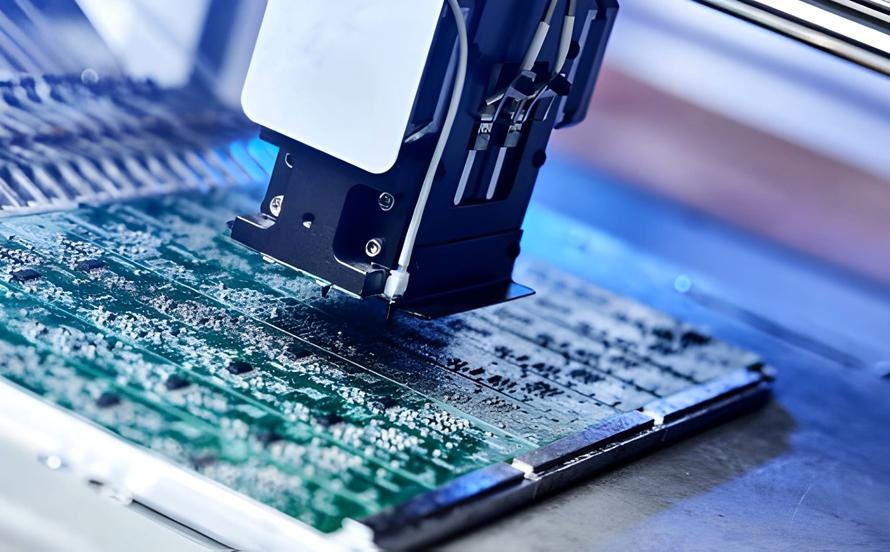
Medical PCB assembly is a specialized area of electronics manufacturing focused on producing printed circuit board assemblies used in medical devices and healthcare equipment. As the medical industry increasingly relies on advanced electronic systems for diagnosis, monitoring, and treatment, medical PCB assembly has become essential for ensuring accuracy, reliability, and safety in critical healthcare applications.
What Is Medical PCB Assembly?
Medical PCB assembly refers to the process of assembling electronic components onto printed circuit boards specifically designed for medical devices. These boards are engineered to meet strict performance, safety, and regulatory requirements. Unlike standard electronics, medical PCB assembly must deliver exceptional precision and stability because even minor errors can impact patient safety.
In medical devices, PCB assemblies act as the core control units that manage data processing, signal transmission, power regulation, and communication functions. Therefore, medical PCB assembly plays a vital role in ensuring the functionality and reliability of modern healthcare technology.
Importance of Medical PCB Assembly in Healthcare
Medical PCB assembly is critical in the healthcare sector because it directly influences the performance and safety of medical equipment. Devices such as diagnostic machines, monitoring systems, and therapeutic equipment depend on highly reliable PCB assemblies to operate accurately under various conditions.
With the rapid growth of digital healthcare, telemedicine, and wearable medical devices, medical PCB assembly has become a key driver of innovation. Manufacturers must focus on precision engineering and rigorous testing to meet the evolving demands of the medical industry.
Medical PCB Assembly Process
Design and Engineering Phase
The medical PCB assembly process begins with detailed design and engineering. Engineers carefully select materials and components that meet medical-grade requirements, considering factors such as signal integrity, power efficiency, and thermal performance. The PCB layout is optimized to minimize interference and ensure stable operation.
Component Selection and Placement
In medical PCB assembly, component selection is crucial because medical devices require high-quality, certified components. Automated SMT machines and specialized assembly techniques are used to place components with high accuracy, ensuring consistent results across production batches.
Soldering and Assembly Techniques
Soldering is a critical step in medical PCB assembly. Advanced methods such as reflow soldering and selective soldering are used to secure components while maintaining reliability. Precision soldering ensures strong electrical connections and long-term durability.
Testing and Quality Assurance
Testing is one of the most important stages of medical PCB assembly. Functional testing, electrical testing, and environmental testing are conducted to verify performance under real-world conditions. Strict quality assurance procedures ensure that the PCB assemblies comply with medical standards and regulatory requirements.
Final Integration and Validation
After testing, the assembled boards are integrated into medical devices. Final validation ensures that the medical PCB assembly meets design specifications and industry standards before deployment in healthcare environments.
Applications of Medical PCB Assembly
Medical PCB assembly is widely used in various healthcare applications, including diagnostic imaging equipment, patient monitoring systems, surgical devices, infusion pumps, wearable medical devices, and laboratory instruments. In each of these applications, medical PCB assembly ensures precise control, accurate data processing, and reliable device performance.
As medical technology continues to advance, medical PCB assembly is also becoming increasingly important in emerging areas such as AI-powered medical devices and remote healthcare solutions.
Advantages of Medical PCB Assembly
Medical PCB assembly offers several advantages, including high reliability, enhanced performance, and compliance with strict regulatory standards. The use of advanced manufacturing processes ensures consistent quality, while rigorous testing minimizes the risk of failure.
Another key benefit of medical PCB assembly is its ability to support miniaturization and high-density designs. This enables the development of compact, lightweight medical devices without compromising performance.
Challenges in Medical PCB Assembly
Medical PCB assembly involves unique challenges such as regulatory compliance, component traceability, and long-term reliability. Manufacturers must adhere to international standards and maintain strict documentation throughout the production process.
Thermal management, electromagnetic interference, and material selection also present technical challenges in medical PCB assembly. Addressing these issues requires expertise in both design and manufacturing processes.
Future Trends in Medical PCB Assembly
The future of medical PCB assembly is shaped by advancements in digital healthcare, IoT-enabled medical devices, and smart diagnostics. As healthcare systems become more connected and data-driven, medical PCB assembly will continue to evolve to support higher performance, security, and integration.
In addition, automation and AI-driven manufacturing are expected to improve efficiency and quality in medical PCB assembly, enabling faster production and better scalability.
Conclusion
Medical PCB assembly is a cornerstone of modern medical device manufacturing, ensuring the accuracy, reliability, and safety of healthcare technology. For businesses seeking high-quality and scalable solutions, partnering with an experienced China PCB assembly company can help achieve superior performance, strict quality control, and customized medical PCB assembly solutions tailored to complex healthcare applications.