

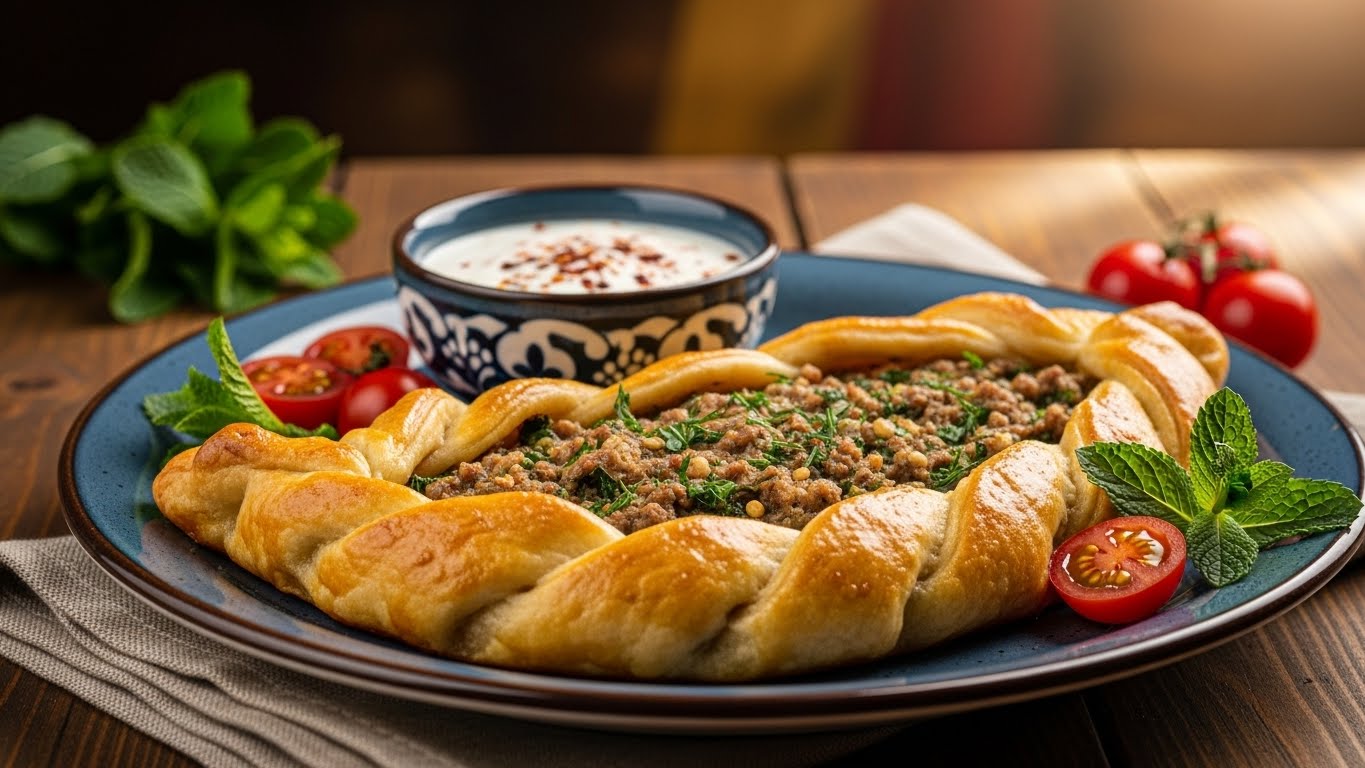
Cevurı is a traditional Turkish dish that embodies centuries of culinary heritage. Its rich flavors, slow-cooked preparation, and regional variations make it a staple in Anatolian cuisine. Beyond taste, Cevurı connects people to culture, family, and history, offering a true experience of Turkish culinary tradition.
Quick Facts About Cevurı
| Attribute | Details |
|---|---|
| Dish Name | Cevurı |
| Cuisine | Turkish / Anatolian |
| Main Ingredients | Lamb or beef, vegetables, legumes, aromatic spices |
| Cooking Style | Slow-cooked, one-pot |
| Flavor Profile | Savory, smoky, aromatic |
| Cultural Roots | Rural Turkey, Anatolia |
| Occasions | Family meals, festivals, communal gatherings |
Cevurı and Its History
Cevurı has a history as rich as its flavor. This Anatolian specialty originated in rural Turkey, where families relied on locally available ingredients to create nourishing, communal meals. Its slow-cooked technique ensured tender meat, well-blended spices, and a hearty dish that could feed multiple generations.
Over time, Cevurı became more than food—it was a cultural ritual, prepared during weddings, holidays, and celebrations. The dish reflects the resourcefulness of Turkish villagers, who transformed simple ingredients into something truly memorable. Its continued popularity in both homes and modern restaurants highlights its timeless appeal.
Key Ingredients That Define Cevurı
The heart of Cevurı lies in its carefully selected ingredients. Each component contributes to its signature flavor:
| Ingredients | Purpose |
|---|---|
| Lamb or beef | Provides rich protein and tender texture |
| Chickpeas, lentils, or bulgur | Adds fiber and heartiness |
| Tomatoes, onions, bell peppers | Freshness, sweetness, and depth |
| Olive oil or butter | Enhances mouthfeel and richness |
| Spices (cumin, paprika, mint) | Builds aromatic layers and warmth |
The combination of these ingredients creates a dish that is nutritionally balanced, flavorful, and culturally significant. Each region of Turkey may adjust ingredients slightly, highlighting local tastes and available produce.
Traditional Preparation of Cevurı
Step-by-Step Cooking Guide
Cevurı’s preparation is a slow, methodical process that allows flavors to blend and intensify naturally. Start by marinating the meat in olive oil, spices, and herbs for several hours. Searing the meat locks in its juices, followed by sautéing onions and adding tomato and pepper pastes for depth.
Next, combine legumes and grains with the meat and spices, then slowly simmer for several hours in a clay pot or heavy saucepan. The slow-cooking process creates a tender, aromatic dish that represents Turkish home cooking at its best.
Finally, stir in olive oil or butter near the end to enrich the flavor. Garnish with fresh parsley or mint before serving. Pair with warm bread, rice, or a light salad to complete the meal.
Regional Variations of Cevurı
Eastern Anatolia
In Eastern Anatolia, Cevurı often uses lamb and isot pepper, a smoky spice that gives the dish a distinctively bold flavor. Flatbreads and fresh herbs accompany it to balance richness, while pomegranate molasses is sometimes added for a subtle tang.
Southeastern Anatolia
Southeastern recipes may include bulgur or rice, creating a thicker, heartier texture. Beef is commonly used, with tail fat for added richness. This version is frequently served with ayran, a traditional yogurt drink that complements the savory taste of the dish.
Central Turkey
Central Turkey favors milder seasoning, allowing the natural flavors of the meat and grains to shine. Baking in a clay pot enhances the earthy aroma, creating a comforting family-style meal.
Coastal Variations
In coastal regions, seafood versions emerge, incorporating fish or shrimp. Herbs and light seasonings emphasize freshness, blending the local marine influence with traditional Turkish flavors.
Cultural Significance of Cevurı
Cevurı represents more than sustenance—it’s a symbol of hospitality and community. Historically, families gathered around large pots, cooking the dish for weddings, religious events, and village gatherings. Sharing Cevurı fostered connection, storytelling, and cultural continuity.
In modern Turkey, Cevurı remains a dish of heritage and pride. Chefs in Istanbul and Ankara recreate traditional recipes in contemporary restaurants, honoring the ancestral methods while introducing innovative twists. Online, home cooks share family versions, preserving recipes across generations and regions.
Nutritional Benefits of Cevurı
Cevurı is not only delicious but also nutritionally valuable. Its combination of lean meats, vegetables, and legumes provides a balanced diet with protein, fiber, and antioxidants.
| Nutrient | Source | Benefit |
|---|---|---|
| Protein | Lamb, beef | Muscle repair and energy |
| Fiber | Chickpeas, lentils | Digestive health and fullness |
| Vitamins A & C | Bell peppers, tomatoes | Immunity and antioxidant properties |
| Healthy Fats | Olive oil, butter | Heart health and flavor enhancement |
| Minerals | Herbs, grains | Supports metabolism and bone health |
The dish is suitable for family meals, festive gatherings, and even healthy meal planning. Its nutrient-rich composition makes it a perfect choice for those seeking authentic flavor and wellness.
How to Enjoy Cevurı at Home
Making Cevurı at home brings a piece of Anatolian tradition to your kitchen. Start with quality meat and fresh vegetables. Marinate the meat with spices like cumin, paprika, and mint, then cook slowly to extract maximum flavor.
Serve hot with bread or rice and a fresh herb garnish. Pair with yogurt or a light salad to balance the richness. Family and friends will appreciate not just the taste, but also the story and culture behind each bite.
Case Study: Modern Adaptations of Cevurı
Urban Restaurants
Chefs in urban Turkey have modernized Cevurı by deconstructing it, serving in smaller portions, and pairing it with innovative sides like roasted vegetables or infused sauces. This retains the traditional essence while catering to modern culinary expectations.
Home Cook Influencers
Social media platforms feature grandmother’s Cevurı recipes, inspiring younger generations to try the dish. These posts often include tips on regional variations and presentation, helping preserve the dish’s heritage digitally.
Conclusion:
Cevurı is a culinary masterpiece that embodies Turkish history, regional diversity, and family traditions. Its slow-cooked, flavorful composition makes it satisfying, nutritious, and deeply connected to cultural identity. By preparing or enjoying Cevurı, you experience a heritage recipe that has been cherished for generations.
Next time you savor this dish, remember that each bite represents tradition, flavor, and community, making Cevurı a true Turkish treasure.