
CDiPhone is a term that often confuses music enthusiasts online. Some think it’s a secret Apple device, while others are searching for ways to play CDs on their iPhones. The reality is different—CDiPhone represents the intersection of classic CD media and modern iPhone convenience. For anyone with a CD collection and an iPhone, understanding CDiPhone is essential to bridging old and new music experiences.
Below is a quick snapshot of CDs and iPhones in history:
| Device | Launch Year | Primary Function | Key Feature |
|---|---|---|---|
| Compact Disc (CD) | 1982 | Music storage | Uncompressed audio, durability |
| iPhone | 2007 | Smartphone & media player | Touchscreen, iTunes/Apple Music integration |
| CDiPhone | Concept | Digital + physical music experience | Nostalgia meets iPhone convenience |
CDiPhone in Music History
CDiPhone isn’t a physical Apple product but a concept born from the love of CDs and the widespread use of iPhones. Music has transformed from physical media to digital libraries, yet CDs still hold value for collectors and audiophiles. The term CDiPhone has gained traction because people want to enjoy CD music on their iPhones without losing quality or ownership rights.
This concept also reflects cultural nostalgia—the desire to preserve music in a tangible format while benefiting from modern portability.
The Peak and Decline of CDs
CDs revolutionized music in the 1980s. Offering better sound quality than tapes, CDs quickly became the standard for personal and professional listening. By the 1990s, CDs dominated music sales globally. According to the Recording Industry Association of America (RIAA), CD sales peaked in 2000 at 942 million units sold in the US alone.
However, the rise of digital downloads and streaming platforms like Spotify and Apple Music led to a sharp decline. By 2020, CD sales accounted for less than 10% of music revenue. Despite this decline, CDs remain valuable for their tactile experience, audio quality, and collectible appeal.
The History of the iPhone
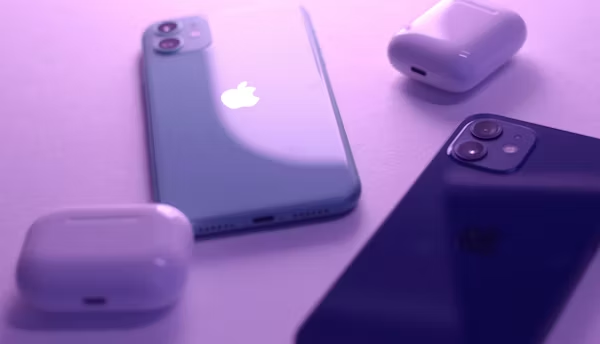
The iPhone, launched in 2007, reshaped personal media consumption. It combined phone, music player, and internet device in one, with iTunes integration making digital libraries portable. Subsequent iterations improved storage, streaming capabilities, and app support, making iPhones central to music access.
Yet, iPhones never included CD drives. CDiPhone represents an idea of merging physical media with iPhone convenience, a solution that tech enthusiasts continue to seek.
Why People Still Love CDs
Even in a streaming world, CDs remain appealing for multiple reasons:
Excellent Sound Quality – CDs deliver uncompressed audio, which audiophiles argue is superior to standard streaming.
True Ownership – Buying a CD means you own a permanent copy, unlike temporary digital licenses.
Tangible Experience – The feel of a CD, album artwork, and liner notes create a physical connection to music.
Collector’s Appeal – Limited editions and signed copies make CDs coveted collectibles.
Affordable and Durable – CDs are cheap to purchase and can last decades if handled correctly.
Support for Artists – Direct CD purchases often provide more revenue to musicians than streaming platforms.
How to Get CD Music on Your iPhone Using CDiPhone Methods
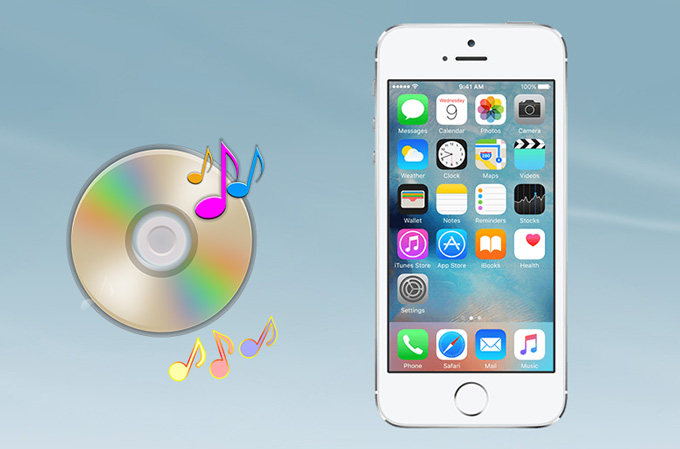
Even though a CDiPhone device doesn’t exist, you can still enjoy CDs on your iPhone through various practical methods:
Using iTunes or the Music App
Insert your CD into a computer, import tracks into iTunes or the Apple Music app, and sync your iPhone. This method ensures your CD library is preserved digitally.
Using iCloud or Apple Music
After importing CD tracks to your computer, upload them to iCloud Music Library. Your iPhone will access them without direct syncing, making music portable and accessible anywhere.
Using a USB Drive
Some USB drives with Lightning or USB-C adapters allow you to transfer music directly. This method is ideal for offline listening on iPhones with limited storage.
Using Third-Party Apps
Apps like VLC, WALTR, and iMazing support various file formats and enable custom playlist creation, bypassing iTunes for users seeking flexible options.
Why You Can’t Connect a CD Drive to an iPhone
Directly connecting a CD drive to an iPhone isn’t possible due to several limitations:
No Space – iPhones are compact devices, leaving no room for a CD drive.
Power and Connection Limits – CD drives require more power than an iPhone can supply.
Missing Software – iOS doesn’t include drivers or software to read CDs.
Outdated Technology – CD drives are becoming obsolete, while Apple focuses on cloud-based solutions.
Physical and Battery Concerns – Spinning discs generate heat and drain power, incompatible with mobile design.
Future Possibilities for CDiPhone Concepts
Although a true CDiPhone may never exist, tech could simulate its benefits through hybrid solutions:
- Cloud-based CD libraries that preserve artwork and album notes.
- AI-powered music archiving to replicate high-quality CD sound digitally.
- Smart adapters or docks that integrate legacy CDs with iPhone storage.
These concepts satisfy nostalgia and convenience simultaneously, showing the ongoing appeal of CDs in a digital era.
Case Study: CD Transfers Among Audiophiles
Consider Maria, a professional sound engineer. She has a CD collection of over 1,500 albums, including rare jazz recordings. By using iTunes and iCloud Music Library, she digitized her collection. Today, Maria listens to her CDs on her iPhone anywhere, retaining lossless audio quality and enjoying full control over her music library.
Maria’s case reflects a broader trend: CDs are not dead; they’re adapting to digital life.
CDiPhone Comparison Table
| Feature | CD | iPhone | CDiPhone Concept |
|---|---|---|---|
| Physical Media | ✅ | ❌ | ✅ (conceptual) |
| Digital Access | ❌ | ✅ | ✅ |
| Portability | ❌ | ✅ | ✅ |
| Sound Quality | High | Compressed/Variable | High (digital rip) |
| Ownership | Full | License-based | Full |
| Collector Value | ✅ | ❌ | ✅ |
This table highlights why CDiPhone remains a search-worthy concept. Users want the best of both worlds: CD quality with iPhone convenience.
FAQs About CDiPhone and Playing CD Music on iPhone
Can I plug a CD directly into my iPhone?
No, iPhones don’t have CD drives, and iOS cannot read discs. Even with adapters, the software to play a CD doesn’t exist. To enjoy your music, you need to rip your CDs on a computer first. Once the files are transferred, you can play them seamlessly on your iPhone.
What is the easiest way to get CD music onto my iPhone?
The simplest method is using iTunes or the Apple Music app on a computer. Import the CD tracks into your library, then sync them with your iPhone. Alternatively, you can upload your tracks to iCloud Music Library, allowing access across all Apple devices without repeated syncing.
Will transferring CDs to my iPhone reduce sound quality?
Not if you use lossless formats like ALAC or FLAC. These preserve the original audio fidelity, so your tracks sound just as clear on your iPhone as on the CD. Properly digitized CDs ensure no loss in clarity, even when played on mobile devices.
Are there alternatives to iTunes for transferring CD music?
Yes. Apps like iMazing, WALTR, and VLC allow you to transfer music without iTunes. These apps support multiple audio formats, let you manage playlists efficiently, and are perfect for users who want more flexibility than the default Apple ecosystem.
Why do people still buy CDs if streaming is more convenient?
CDs offer tangible ownership, high-quality sound, and collectible value. Unlike streaming, a CD is a permanent copy of the music you bought. Fans also appreciate supporting artists directly and maintaining a physical music library.
Can I store my CD collection in the cloud for iPhone access?
Absolutely. Services like iCloud Music Library or Apple Music let you upload your CD tracks and access them from your iPhone anywhere. This approach preserves your music digitally while keeping your physical discs safe and organized.
Are there any devices like a CDiPhone that play CDs directly?
Currently, no device combines a CD drive with iPhone functionality. Anyone looking to play CDs on their iPhone must digitize the discs and play them as digital files. While the idea exists conceptually, it remains a creative solution rather than a real product.
Conclusion
CDiPhone may never be an official Apple product, but it represents a practical and nostalgic bridge between physical CDs and modern iPhones. By using iTunes, iCloud, or third-party apps, anyone can enjoy CD-quality music on their iPhone, retaining ownership, sound quality, and the tactile experience that CDs offer.
Music is more than files—it’s experience, memory, and ownership. CDiPhone captures that idea, showing that even in a digital age, classic media still has a place.