

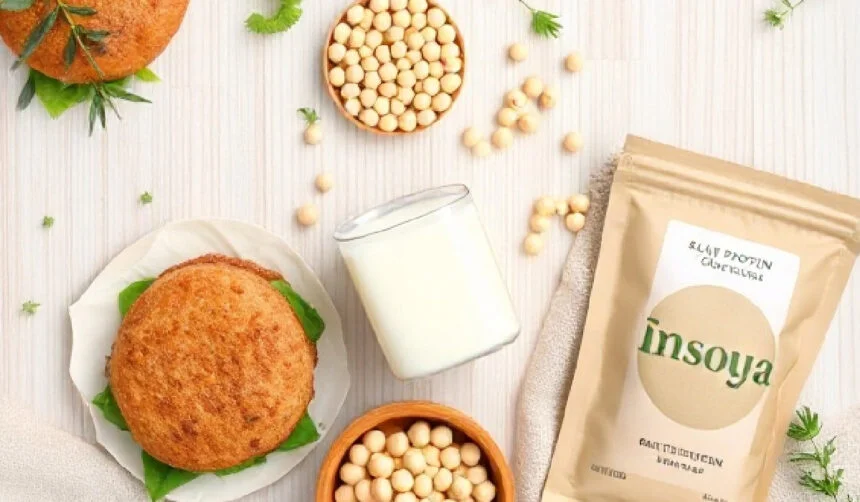
Insoya is a new, fermented soy-based protein that’s taking plant-based nutrition to the next level. Unlike ordinary soybeans, Insoya products use probiotic fermentation and advanced processing to enhance flavor, digestibility, and nutrient content. This modern soy innovation comes in many forms – from protein powders and meat alternatives to dairy-free milks and snacks – but all share one goal: to deliver complete, nutrient-rich protein in a convenient, eco-friendly way. Insoya is rich in high-quality protein (all 9 essential amino acids), fiber, vitamins and minerals, yet contains no cholesterol or lactose. That makes it ideal for athletes, busy professionals, and anyone who wants healthy, sustainable nutrition.
Below is a quick reference table summarizing the key facts about Insoya:
| Key Aspect | Details |
|---|---|
| What is Insoya? | A fermented soy protein product derived from non-GMO soybeans, enhanced by modern food technology. |
| Origin | Rooted in traditional Asian soy foods (tofu, miso, tempeh), now updated with cutting-edge fermentation and processing for Western diets. |
| Protein | ~50–52 g protein per 100 g – a complete protein source containing all essential amino acids. |
| Other Nutrients | High in dietary fiber, isoflavones (phytoestrogens), and micronutrients like calcium, iron, magnesium, and B-vitamins. |
| Health Benefits | Supports heart and bone health, aids muscle growth and weight management, and promotes digestive wellness (see below for details). |
| Culinary Uses | Forms include soy milk/yogurt, meatless burgers/sausages, protein powders, snacks/bars, and traditional soy foods (tofu, tempeh, miso). |
| Sustainability | Lower carbon footprint and water use than animal proteins; promotes efficient land use and global food security. |
| Focus Pillars | Built on Nutrition, Sustainability, Innovation, and Accessibility – combining healthy eating with eco-friendly practices. |
What Is Insoya?
Insoya is essentially soy protein upgraded by fermentation and food science. It starts with non-GMO soybeans (often organic) that are fermented with probiotic cultures and then processed into versatile foods. Fermentation breaks down complex soy proteins and sugars, making them easier to digest and turning more soy isoflavones into their absorbable forms. This process reduces the traditional “beany” taste of soy and minimizes anti-nutrients (like phytic acid) that can inhibit mineral absorption.
Insoya products come in many formats:
- Protein Powders & Supplements – soluble soy protein for shakes, smoothies, and recovery drinks.
- Dairy Alternatives – soy-based milks, yogurts, and cheeses that are lactose-free.
- Meat Alternatives – burgers, sausages, nuggets, and other plant-based “meats” made with textured soy.
- Fortified Foods & Snacks – protein bars, baked goods, and ready-to-eat snacks enriched with soy protein.
Insoya differs from traditional soy foods by focusing on convenience and purity. For example, its powders and meat analogs are often pre-seasoned or enriched with vitamins, and need no lengthy preparation. The fermentation stage also smooths out flavors and textures. In short, Insoya packages soy’s nutrition into modern, ready-to-use forms suited for busy, health-conscious lifestyles.
Four Pillars of Insoya: Nutrition, Sustainability, Innovation, Accessibility
The Insoya movement is built on four core principles:
- Nutrition: Insoya delivers complete, high-quality protein. Soybeans inherently provide all nine essential amino acids, plus fiber and healthy fats. Fermentation boosts bioavailability of nutrients like isoflavones and minerals.
- Sustainability: Growing soy requires far less land, water, and energy than livestock. Studies show soy farming emits far fewer greenhouse gases and uses far less water than beef or dairy. By choosing Insoya, consumers cut their carbon footprint and promote efficient land use, aiding global food security.
- Innovation: Insoya uses cutting-edge food technology and fermentation science. This means fortifying soy with extra nutrients (like B12, omega-3, minerals) and creating realistic textures in meat alternatives. It also taps into “clean label” trends by avoiding unnecessary chemicals.
- Accessibility: The goal is to make healthy, plant-based protein affordable and easy to find. Insoya aims to reach beyond niche health stores, placing products in mainstream markets so everyone can benefit from its nutrition and convenience.
Together, these pillars position Insoya not just as a food product, but as a smart lifestyle choice that aligns wellness with environmental stewardship.
Historical & Cultural Roots of Soy
Ancient Soy Traditions
Soy has been a dietary staple for thousands of years, especially in Asia. Ancient Chinese and Japanese records (dating back to 500s CE) describe fermented soy foods used for preservation and nutrition. Classic soy products like tofu, tempeh, miso, natto, and soy sauce originated in this context. These foods provided vital plant protein in regions with limited meat, and their fermentation often enhanced flavor and digestibility. For example, natto (fermented whole soybeans) and tempeh (fermented soy cake) have been valued for both nutrition and unique tastes for centuries. The tradition of culturing soy with beneficial microbes is a key heritage that Insoya inherits.
Soy in the Western World
When soybeans spread to the West in the 20th century, they were initially used for livestock feed. It wasn’t until later that humans widely embraced soy foods (tofu, soy milk, protein powders). Innovations like isolated soy protein and textured vegetable protein (TVP) emerged in the 1980s as vegetarian alternatives. Today, Western diets increasingly include soy in everything from garden burgers to latte additives. This global exchange set the stage for Insoya: a product that bridges traditional soy wisdom with modern food science.
Cultural Significance of Insoya Today
Insoya represents a cultural blend – it honors Asian fermented soy traditions while meeting Western trends for convenience and wellness. Young urban consumers see Insoya not just as food, but as a symbol of mindful living. By embracing Insoya, they feel connected to heritage (“ancient wisdom”) and also to futuristic goals (sustainability and innovation). In this way, Insoya has become part of a broader plant-based movement shaping 21st-century lifestyle.
Nutritional Profile of Insoya
Insoya packs an impressive nutritional punch, reflecting both the natural profile of soy and the enhancements of modern processing.
- High Protein, Complete Amino Acid Profile: Soy is one of the few plant foods that is a complete protein, meaning it contains all nine essential amino acids we must get from diet. Insoya products deliver roughly 50–52 grams of protein per 100 grams (similar to dried soy chunks). This rivals or exceeds many animal proteins. For example, soy’s branched-chain amino acids (leucine, isoleucine, valine) support muscle synthesis and recovery.
- Micronutrients: Insoya is rich in vitamins and minerals. A typical serving provides significant iron (for blood and energy), calcium and magnesium (bone and metabolic health), potassium, and B-vitamins. Many Insoya products are fortified with extra nutrients like vitamin B12 or vitamin D to address common vegan/vegetarian gaps.
- Dietary Fiber: Soybeans naturally contain soluble and insoluble fiber. After fermentation, much of this fiber remains, supporting digestive health and satiety. A single serving of Insoya can contribute several grams of fiber, helping regulate blood sugar and gut microbiota.
- Isoflavones and Bioactive Compounds: Soy contains plant compounds called isoflavones (phytoestrogens) that act as antioxidants. In unfermented soy, isoflavones are mostly bound to sugars (glycosides) and poorly absorbed. Fermentation (as in Insoya) converts 40–100% of isoflavones into their aglycone form. These aglycones are much more bioavailable and biologically active. Thus, Insoya is particularly rich in readily-absorbed isoflavones, which may support hormonal balance and cellular health.
- Healthy Fats: Soybeans provide polyunsaturated fats, including omega-3 and omega-6 fatty acids. Insoya retains these heart-healthy fats (with no cholesterol) while removing most saturated fat.
Compared to other proteins, Insoya stands out in several ways:
| Nutrient | Insoya (Soy) | Whey (Milk) | Pea Protein |
|---|---|---|---|
| Protein Quality | Complete, high (50–52 g/100g) | Complete, medium (22 g/100g) | Incomplete (low in methionine) |
| Fat | Very low; mostly unsaturated | Varies; some saturated | Low |
| Fiber | High (8–13 g/100g) | None | Low |
| Lactose | None | Present | None |
| Digestibility | High (enhanced by fermentation) | High | Medium |
| Sustainability Index | Excellent (plant source) | Poor (animal) | Good |
(*Values approximate; see sources for details.) This shows why nutritionists call soy a “powerhouse” plant food.
Health Benefits of Insoya
Insoya’s nutrient profile translates into a range of health benefits. The science on soy suggests it can support:
- Heart Health: Multiple studies indicate soy protein can help lower LDL (“bad”) cholesterol. For example, replacing animal protein with ~50 g soy protein per day led to LDL reductions of about 3–13% in clinical trials. Over time, this modest change could reduce risk of heart attack or stroke. Soy’s polyunsaturated fats and antioxidant isoflavones also support vascular function. Insoya (being soy-based and cholesterol-free) similarly aids cardiovascular health.
- Muscle & Fitness: The high-quality protein and BCAAs in Insoya make it ideal for muscle repair and growth. Athletes and active people can use Insoya shakes or meals to recover after exercise. Because it’s plant-based and easy to digest, Insoya is often gentler on the stomach than heavy animal proteins. Its complete amino acids help maintain muscle mass during weight loss or aging.
- Bone Strength: Insoya contributes calcium, magnesium, and vitamin K (in fermented forms like natto) which are crucial for bone health. For vegetarians or those with lactose intolerance, Insoya can be a key source of bone-supporting nutrients.
- Hormonal Support: The isoflavones in soy, now more bioavailable through fermentation, can moderate estrogen levels. Some research suggests they help alleviate menopausal hot flashes and may have protective effects against hormone-dependent cancers (though findings vary). Because isoflavones in fermented soy are absorbed faster, Insoya may maximize these benefits while avoiding excessive hormonal effects.
- Weight Management: High-protein, high-fiber diets increase satiety. Insoya fits that bill without adding a lot of calories or fat. It helps curb appetite and stabilize blood sugar, which can aid weight control. (Plus, being plant-based often means fewer calories per serving than equivalent animal foods.)
- Digestive and Immune Health: Insoya’s fiber promotes healthy gut bacteria and regular bowel movements. The probiotic cultures from fermentation may also seed beneficial microbes in the gut. This can reduce bloating and discomfort often associated with unfermented soy. A healthy gut microbiome also supports immune function and nutrient absorption.
- Chronic Disease Prevention: Thanks to its antioxidants (isoflavones, phenolic compounds) and anti-inflammatory profile, regular soy intake is associated in populations with lower risks of heart disease, type 2 diabetes, and certain cancers. While no single food is a cure-all, Insoya’s combination of nutrients and bioactives can contribute to a health-promoting diet.
Key Takeaway: Incorporating Insoya can be a simple step toward better health — whether through lowering cholesterol, supporting bones and muscles, or boosting overall nutrition. All these benefits are backed by research on soy and fermentation.
Culinary Uses of Insoya
Insoya is remarkably versatile in the kitchen, matching or mimicking many traditional foods:
- Dairy Alternatives: Use Insoya soy milk in place of cow’s milk in coffee, cereal, or baking. Try soy yogurt or soft soy cheese for smoothies and spreads. Many are fortified with vitamins D and B12 (important for vegans). The mild taste blends easily into recipes.
- Meat Alternatives: Insoya-based burgers, meatballs, sausages, and “chicken” strips deliver protein in familiar forms. Texture technology makes them surprisingly meaty. You can grill an Insoya burger like beef, or stir-fry soy “beef” strips in fajitas. These products are often lower in fat and free of cholesterol, appealing to health-minded cooks.
- Protein Powders & Shakes: Insoya protein powder mixes smoothly into shakes, oats, or soups. Athletes might blend a scoop with berries and almond milk for a post-workout drink. Because Insoya protein is hypoallergenic and lactose-free, it’s a good option for those with dairy sensitivity.
- Snacks & Convenience Foods: Ready-to-eat Insoya snacks include roasted soy nuts, soy crisps, and nutrition bars. They offer a crunchy, protein-rich snack alternative to chips or cookies. These products often list few ingredients (soy, seasoning) fitting the “clean label” trend.
- Traditional Dishes: Don’t forget classic uses: marinate and pan-fry Insoya chunks as a tofu substitute in stir-fries, curries, or stews. Make soy paste or sauces from fermented Insoya for soups (like miso). Blend Insoya flour into pancakes or baked goods to increase their protein content.
- Baking and Desserts: Insoya can even go into desserts. For instance, Insoya flour or mashed soy can be used in brownies or muffins, boosting their nutrition. Soy milk can replace dairy in pudding recipes for a soy twist on sweets.
Because it absorbs flavors well, Insoya is a “blank slate” for creativity. Here are some meal ideas:
- Breakfast: Protein pancake made with Insoya flour and bananas.
- Lunch: Salad with marinated, baked Insoya cubes (like grilled chicken chunks).
- Dinner: Pasta with creamy soy-based Alfredo sauce, or Insoya “beef” stir-fry with veggies.
- Snack: Soy yogurt topped with fruit and granola, or a handful of seasoned soy crisps.
Recipes and use-cases abound. As one vegan chef noted, “Insoya’s mild flavor means it can shine in desserts as well as savory dishes.” (See the Case Study below for an Insoya smoothie recipe.)
Sustainability and Environmental Impact
One of Insoya’s biggest advantages is its green footprint. Plant-based proteins generally beat animal proteins in sustainability, and soy is among the best:
- Low Carbon Footprint: Livestock farming is a top source of greenhouse gases. In contrast, soy cultivation emits much less CO₂ per kilogram of protein. Replacing even a portion of animal protein with Insoya can substantially cut your diet’s carbon emissions.
- Water Efficiency: Producing 1 kg of beef requires ~15,000 liters of water, while soy needs only ~2,000–3,000 liters per kg. Insoya’s life-cycle water use is far lower than dairy or meat, conserving precious freshwater resources.
- Land Use and Yield: Soybeans yield a lot of protein per acre (roughly 10 times more per hectare than beef). Efficient land use means less deforestation and habitat loss for feeding people. If more diets shifted toward soy-based proteins like Insoya, we could feed more people with less farmland.
- Ethical and Social Impact: Because soy is inexpensive and high-yielding, it can help address malnutrition and food insecurity. Insoya products, especially if priced affordably, offer a nutritious protein to communities worldwide. Many Insoya suppliers also emphasize responsible farming – some support sustainable agriculture practices and fair trade, further bolstering their environmental claims.
In summary: Choosing Insoya is not just good for your body, but also for the planet. It exemplifies the idea that we can eat well and tread lightly on Earth.
Global Trends Driving Insoya’s Popularity
Several major food trends have converged to boost Insoya:
- Plant-Based Boom: Vegan, vegetarian, and flexitarian diets are surging globally. More people than ever want meatless meals and alternative proteins. Insoya fits perfectly into this shift by offering a familiar yet healthier protein source.
- Functional Foods Movement: Consumers increasingly seek foods that do more than just fill them up – they want benefits like extra protein, fiber, probiotics, or vitamins. Insoya snacks, bars, and powders are often fortified with functional ingredients (e.g. added fiber, vitamins, probiotics), aligning with this demand.
- Clean-Label and Natural Ingredients: There’s a growing preference for simple, natural ingredients without artificial additives. Insoya often markets itself as minimally processed and non-GMO. Fermented soy has ancient roots and is seen as a “natural” food processing method, appealing to health-conscious shoppers.
- Culinary Experimentation: As world cuisine blends, chefs are innovating with soy. Fusion dishes – like soy-pasta or miso-coconut soups – showcase Insoya’s flexibility. The Instagram-ready nature of new plant foods also helps: colorful Insoya smoothies and bowls are popping up in food media.
- Climate Awareness: With climate change in the news, consumers link dietary choices to environmental impact. Dietitians and NGOs often promote plant proteins to reduce carbon footprint. Insoya benefits from this wider environmental concern, being marketed as a sustainable protein.
Market research reflects these trends: alternative protein product launches are growing, often at double-digit rates. As more companies develop Insoya-like items (soy-based cheeses, yogurts, meat analogs), consumer familiarity and market availability will increase.
Challenges and Considerations
While Insoya has many upsides, it also faces some challenges:
- Soy Allergies: A small percentage of people are allergic to soy proteins (similar to peanut or gluten allergies). These individuals must avoid Insoya. However, some processing methods (fermentation, hydrolysis) can reduce allergenicity in certain cases, and research is ongoing.
- GMO Concerns: Soybeans are one of the most genetically modified crops. Insoya producers often address this by using non-GMO or organic soy, and they highlight those claims. Consumers wary of GMOs should look for certified labels when buying.
- Taste and Texture: Traditional soy products can have a strong bean flavor or chalky texture. Insoya aims to solve this, but acceptance varies by product. Many new Insoya items mask flavors with seasonings or fermentation (which mellows taste). Overprocessing (e.g., ultrafiltration) can sometimes strip nutrients, so quality can differ by brand.
- Phytoestrogen Debate: Soy’s isoflavones can mimic estrogen. While moderate soy consumption is considered safe for most people, some worry about hormonal effects, especially for breast cancer survivors. Most research shows normal soy foods do not increase cancer risk, and might even be protective, but individuals should consult doctors if concerned.
- Environmental Impact of Processing: Making processed soy foods still uses energy and resources. Sustainable packaging and production practices are needed to ensure Insoya’s net impact is positive.
Overall, the scientific consensus is that fermented soy foods like Insoya are generally safe and beneficial for the majority. As with any food, balance and variety are key.
Insoya vs. Traditional Soy Products
How does Insoya stack up against classic soy foods? Here are some key differences:
- Flavor: Insoya’s fermentation greatly reduces the “beany” or bitter notes common in raw soy. This results in a milder, neutral taste that blends into dishes more easily. Traditional tofu or textured soy can taste bland unless seasoned; Insoya-based items often come ready-to-eat.
- Digestibility: Thanks to probiotic fermentation, Insoya proteins are partially broken down before you eat them. This means more amino acids are free and easier to absorb. Many people find fermented soy causes less bloating or stomach discomfort than unfermented soy.
- Nutrient Density: Insoya products are often fortified (e.g. extra vitamins, minerals, omega-3s). Regular soy milk or tofu may not have these additions. Fermentation also concentrates certain nutrients (like B-vitamins produced by microbes). Overall, Insoya aims for a “supercharged” nutrition profile.
- Convenience: Traditional soy foods often require time-consuming preparation (soaking beans, pressing tofu). Insoya products usually just need heating or mixing. For example, Insoya protein powder dissolves instantly, whereas making homemade soy milk is laborious.
- Culinary Applications: Both Insoya and traditional soy (tofu, tempeh, miso) can serve as meat or dairy substitutes. However, Insoya’s powdered and processed forms expand into snacks, bars, and processed meat analogs in ways traditional soy rarely does.
In short, Insoya is like the “21st-century cousin” of tofu and tempeh – built on the same soybean roots but remodeled for modern needs. It preserves the core benefits of soy while improving palatability and convenience.
Practical Tips for Including Insoya in Your Diet
Ready to try Insoya? Here are some easy ideas:
- Start Small: Add a scoop of Insoya protein powder to your breakfast smoothie or oatmeal. It enriches the meal without altering taste much.
- Swap Dairy: Use soy milk (Insoya-based if possible) in coffee, cereals, and baking. Try a soy yogurt for an afternoon snack with fruit.
- Batch Cooking: Make a big pot of chili or curry with Insoya chunks instead of ground meat. Season well and freeze leftovers for quick meals.
- Boost Bakes: Mix Insoya flour into pancake, muffin, or cookie batter (replace 1/3 of the flour). You’ll up the protein without changing texture.
- Snack Smart: Keep roasted Insoya nuts or bars in your pantry for mid-day hunger. They satisfy cravings and fuel you.
- Experiment with Fermented Soy: Try adding miso or tempeh to salads and soups – these are close kin to Insoya’s philosophy of fermented nutrition.
- Blend Flavors: Marinate Insoya chunks in BBQ sauce, curry paste, or soy-ginger sauce for grilled kebabs or stir-fries.
- Check Labels: Look for “fermented soy” or “probiotic soy” on products. Some bars and drinks specifically highlight the fermentation process.
By making Insoya a pantry staple (like rice or pasta), you’ll naturally incorporate its benefits. It’s often easier to try Insoya in familiar recipes (e.g. swap tofu for Insoya burger in your usual burger recipe) than to create entirely new meals.
Potential Side Effects and Considerations
For most people, Insoya is a healthy addition. However, keep in mind:
- Allergies: If you have a soy allergy, avoid it. Symptoms could include hives, breathing difficulty, or digestive issues. Look for “may contain soy” warnings as well.
- Digestive Upset: Rarely, some individuals may experience gas or bloating when first eating more fiber/probiotics. Start with small portions and increase gradually.
- Medication Interactions: People on thyroid medication should space soy intake a few hours apart from their pills, as soy can interfere with absorption.
- Hormone-Sensitive Conditions: If you have concerns about estrogen-sensitive conditions (breast cancer, endometriosis), talk to a doctor. Moderate soy consumption is generally safe, but personal guidance is best.
- Quality Matters: Choose reputable brands. Look for organic, non-GMO labeling, and minimal additives. Fermented products (like tempeh, miso) tend to have shorter, cleaner ingredient lists.
As always, diversity is key. Enjoy Insoya as part of a balanced diet rich in fruits, vegetables, whole grains, and healthy fats.
Future Outlook
The market for alternative proteins is projected to grow rapidly. Analysts predict double-digit annual growth through the 2030s for plant-based foods. Insoya, with its improved taste and nutrition, is well positioned to ride this wave. We can expect:
- More Products: New Insoya-based foods will appear – perhaps soy jerky, soy nut butters, or frozen entrees. Larger food companies may invest in Insoya technologies.
- Wider Adoption: As awareness grows, even non-vegans will use Insoya to reduce meat intake one meal at a time (flexitarian diet). Schools, hospitals, and airlines might offer Insoya meals.
- Continued Innovation: Researchers will refine fermentation techniques. Future Insoya may include engineered probiotic strains for added benefits, or personalized nutrient profiles.
- Global Reach: Developing countries could use Insoya solutions to fight malnutrition, since it’s cost-effective protein.
In short, Insoya is not just a fad; it’s part of a lasting shift in how we eat. By combining the best of ancient soy wisdom and modern science, Insoya is poised to become a mainstream staple.
Conclusion
Insoya represents a fresh chapter in plant-based nutrition. It takes the humble soybean – already nature’s powerhouse protein – and enhances it for today’s needs. With complete protein, beneficial fiber, and a host of micronutrients and antioxidants, Insoya supports muscle growth, heart and bone health, digestion, and more. At the same time, it addresses sustainability concerns by offering a low-impact protein source.
Whether you’re an athlete, a health enthusiast, or simply someone looking to eat more mindfully, Insoya has something to offer. It’s flexible in cooking, often more digestible than traditional soy, and aligned with modern dietary trends. Next time you plan a meal, consider how Insoya might fit in – perhaps as a creamy soy smoothie for breakfast, a hearty soy burger for dinner, or a protein-packed Insoya bar as a snack. Each bite is a step toward healthier living and a more sustainable future.