

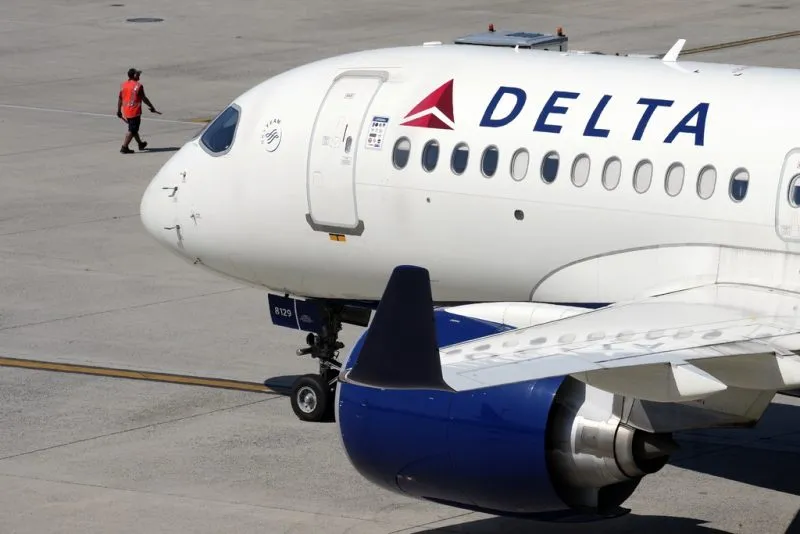
The Delta Connection DL3543 Emergency Landing drew public attention because emergency declarations naturally sound alarming, especially to passengers and readers who are unfamiliar with aviation procedures. However, when you examine the event carefully, it becomes clear that this situation reflects how modern aviation systems are designed to work: detect early, act conservatively, and prioritize safety over schedule.
This article explains the incident in detail, removes confusion created by fragmented online reports, and provides a structured understanding of why the emergency was declared and how it was handled.
Flight Overview and Confirmed Information
Understanding the basic facts first helps anchor the discussion and prevents unnecessary speculation. DL3543 was operating as a Delta Connection regional flight, which means it was a Delta-branded service operated by a regional airline partner using a smaller, short-haul aircraft. During the flight, the crew declared an emergency, coordinated with air traffic control, and landed safely without injuries or evacuation. After landing, the aircraft taxied normally, passengers deplaned, and standard post-event maintenance checks were initiated. These facts were consistently reflected across flight-tracking behavior, airline-standard emergency response patterns, and aviation authority procedures.
Flight Snapshot
| Detail | Information |
|---|---|
| Flight Number | Delta Connection DL3543 |
| Event | Emergency declared in flight |
| Landing Outcome | Safe, controlled landing |
| Aircraft Category | Regional jet |
| Passenger Impact | No injuries, no evacuation |
| Post-Flight Status | Maintenance inspection and reporting |
What Delta Connection Means and Why It Is Relevant
Many readers misunderstand the term “Delta Connection” and assume it represents a different safety standard or reduced oversight. In reality, Delta Connection flights operate under the same Federal Aviation Administration regulations as mainline Delta flights. The difference lies primarily in aircraft size, route length, and operational logistics, not in safety requirements or crew training standards. Pilots flying Delta Connection aircraft are trained to the same emergency-handling expectations, and maintenance oversight follows identical regulatory frameworks. This distinction is important because the Delta Connection DL3543 Emergency Landing should not be viewed as an exception or anomaly simply because it was a regional flight.
What Happened During the Delta Connection DL3543 Emergency Landing
During the flight, the cockpit crew detected a condition that warranted precautionary action. Aviation crews are trained to respond to system alerts, abnormal indications, or environmental concerns immediately rather than waiting to see if a situation worsens. As a result, the pilots declared an emergency to obtain priority handling from air traffic control. This declaration allows faster routing, reduced radio congestion, and emergency services readiness at the destination airport. The aircraft remained under full control throughout the event, executed a normal approach, and landed without difficulty. Importantly, there were no reports of smoke-filled cabins, loss of pressurization, or structural damage, which reinforces that this was a preventive safety action rather than a crisis situation.
Timeline and Operational Sequence of Events
Looking at the event as a sequence rather than isolated moments provides clarity. The flight operated normally during its initial phase, showing no unusual altitude or speed behavior. At some point mid-flight, the crew declared an emergency and coordinated with air traffic control, which is visible through standard flight-tracking indicators and ATC handling patterns. The aircraft then proceeded directly to its landing airport, where emergency vehicles were positioned as a precaution. After touchdown, the aircraft taxied to the gate under its own power, and passengers disembarked normally.
Event Timeline Summary
| Phase | Action Observed | Safety Interpretation |
|---|---|---|
| Normal flight | Routine operations | No early issues |
| Emergency declared | Priority handling requested | Preventive response |
| Approach | Stable and controlled | Issue managed |
| Landing | Normal touchdown | No escalation |
| Post-landing | Gate arrival | No evacuation |
Why Emergency Declarations Are Common in Aviation
The term “emergency” often leads the public to assume imminent danger, but in aviation, it functions as a procedural tool rather than a dramatic signal. Pilots declare emergencies to create margin and flexibility. If a system behaves unexpectedly, even if the aircraft is fully flyable, crews are encouraged to act early. This philosophy mirrors preventive medicine: addressing potential problems before they grow. The Delta Connection DL3543 Emergency Landing fits this model precisely, demonstrating how early action reduces complexity and stress for both crew and passengers.
Likely Cockpit Decision-Making Process
Although airlines typically do not release immediate technical details, cockpit decision-making follows a predictable structure. Pilots identify the abnormal condition, stabilize the aircraft, and run standardized checklists designed to isolate and manage the issue. Communication with air traffic control ensures a clear path to landing, while cabin crew are briefed so they can prepare passengers calmly. By the time the aircraft begins its approach, the situation is already controlled, which explains why many passengers experience a smooth landing despite the emergency declaration.
Why Landing Locations and Details Sometimes Appear Confusing
Conflicting reports about where DL3543 landed or which route it was flying are common in early coverage. Flight numbers are reused daily, routes vary seasonally, and social media often circulates partial information without context. Without the specific date and aircraft tail number, even accurate flight data can be misinterpreted. For reliable confirmation, aviation authorities such as the FAA and NTSB provide structured databases that clarify incidents once documentation is processed.
What Happens After an Emergency Landing
Once an aircraft completes an emergency landing, several procedural steps follow automatically. Passengers receive assistance for rebooking or onward travel depending on timing and airline policy. The aircraft undergoes a detailed maintenance inspection before it can return to service, regardless of how minor the issue appears. Documentation is filed with regulatory authorities to ensure transparency and compliance. These steps are routine and are part of the reason commercial aviation maintains such a strong safety record.
Case Perspective: Why Conservative Decisions Improve Safety
Aviation safety history consistently shows that early, conservative decisions prevent serious incidents. Crews who act decisively at the first sign of abnormality avoid cascading failures later in the flight. In the case of the Delta Connection DL3543 Emergency Landing, the crew’s choice to prioritize safety resulted in a controlled, uneventful landing and minimal passenger disruption. This outcome reflects best practices rather than exceptional circumstances.
How to Verify Accurate Information About Delta Connection DL3543 Emergency Landing
To avoid misinformation, rely on authoritative sources rather than viral posts or incomplete screenshots. Aviation authorities and airport records provide structured, verified data that explains what occurred and whether further investigation is required.
- FAA accident and incident database
- NTSB aviation investigation search
- Official airline or airport statements
Using these sources ensures you are seeing confirmed facts rather than speculation.
Frequently Asked Questions
Did the aircraft crash?
No. The aircraft landed safely under full control.
Was anyone injured?
No injuries were reported.
Does declaring an emergency mean the plane was unsafe?
No. It means the crew chose a preventive approach.
Is flying still safe after events like this?
Yes. Commercial aviation remains one of the safest modes of transport, precisely because crews act early.
Final Perspective
The Delta Connection DL3543 Emergency Landing is best understood as a demonstration of aviation safety culture rather than a cause for alarm. Early detection, disciplined procedures, and coordinated responses ensured a safe outcome for everyone onboard. When viewed through this lens, the event reinforces confidence in modern aviation rather than undermining it.