

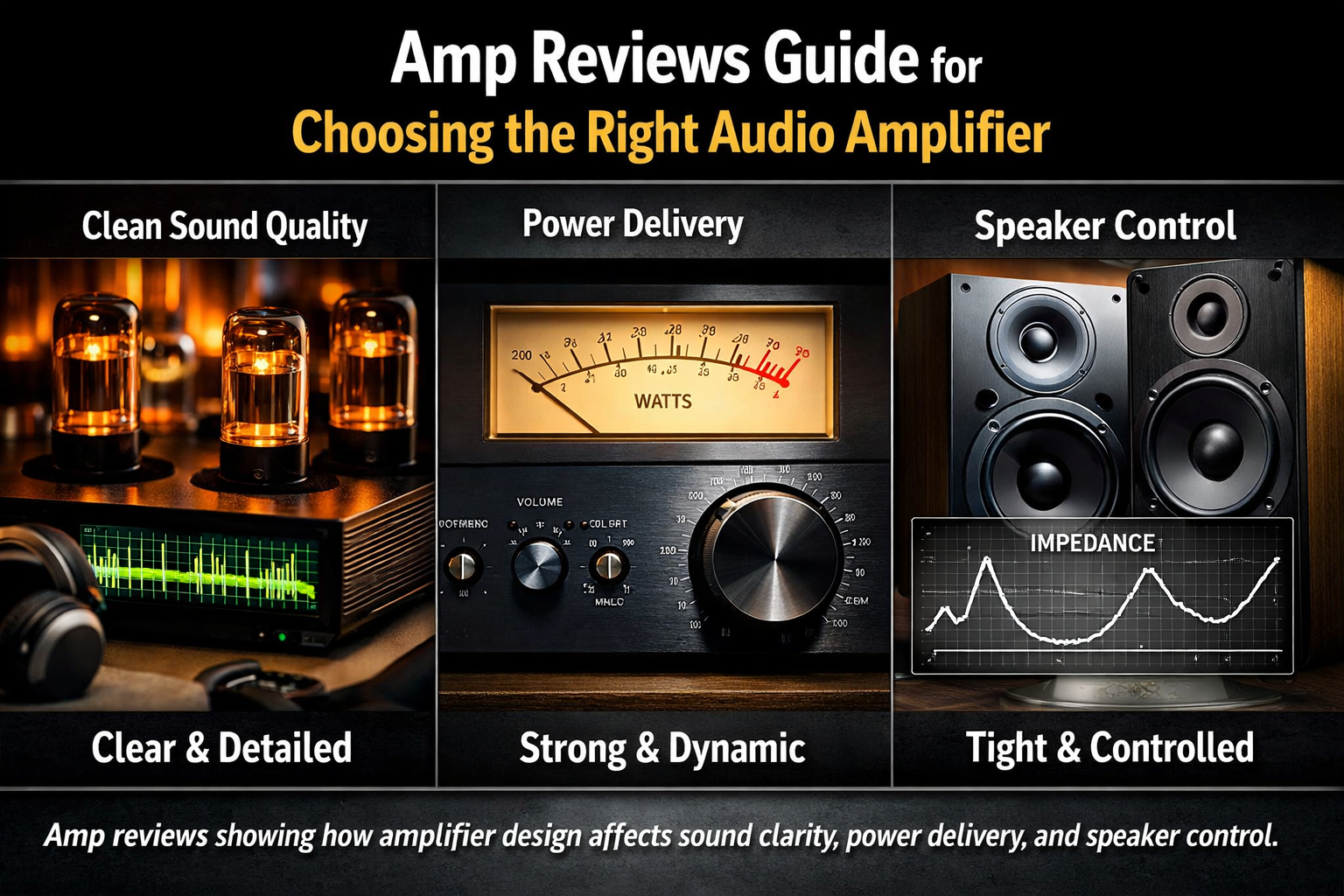
Amp reviews play a critical role when you want better sound without wasting money. The amplifier decides how cleanly power reaches your speakers, how controlled the bass feels, and whether music sounds alive or tiring. A good amp doesn’t shout for attention. Instead, it quietly lets your speakers perform at their best. This article blends technical clarity with real listening insight so you can understand what actually matters when reading or comparing amp reviews.
Why Amp Reviews Matter More Than Most Audio Gear
Amp reviews exist because amplifiers sit at the heart of every sound system. Speakers may shape the sound, but the amplifier controls it. If the amp struggles, distortion appears, dynamics collapse, and even expensive speakers sound average. A capable amplifier provides stability, headroom, and control, which translates directly into better clarity and engagement.
Many listeners notice the biggest improvement not when changing speakers, but when upgrading the amp. Vocals become more natural, instruments separate better, and volume increases without harshness. That real-world impact is why serious amp reviews focus on performance, not marketing claims.
What an Amplifier Actually Does in Real Listening
An amplifier increases a small audio signal to a level strong enough to drive speakers. That explanation sounds simple, yet the execution is complex. The amp must supply current instantly, stay stable under changing loads, and avoid adding noise or distortion. Cheap designs fail under pressure. Good designs stay composed.
Amp reviews often describe this difference using listening terms. Words like control, authority, and ease usually mean the amp is handling power delivery properly. When an amp runs out of headroom, music feels compressed and fatiguing, especially at higher volumes.
Types of Amplifiers Covered in Amp Reviews
Integrated Amplifiers in Amp Reviews
Integrated amplifiers combine preamp and power amp stages into a single unit. Most modern amp reviews focus on integrated designs because they deliver excellent sound while keeping systems simple. Today’s integrated amps often include DACs, Bluetooth, streaming modules, and phono stages without compromising audio quality.
For most listeners, an integrated amp makes the most sense. It reduces clutter, lowers cost, and still provides the control and refinement needed for serious listening. That balance explains why integrated models dominate professional amp reviews.
Solid-State vs Tube Amp Reviews
Solid-state amplifiers rely on transistors and tend to sound clean, neutral, and tightly controlled. They require little maintenance and deliver consistent performance. Tube amplifiers use vacuum tubes and are known for warmth, depth, and smooth midrange presentation. They demand more care but reward listeners who value musical texture.
Amp reviews emphasize this distinction because sound preference matters. Neither design is objectively better. The right choice depends on speakers, music taste, and tolerance for maintenance.
Amplifier Classes Explained in Amp Reviews
Class A, AB, and D in Everyday Use
Amplifier class describes how power devices operate internally. Class A amps sound pure but waste energy as heat. Class AB amps balance efficiency and sound quality, making them the most common choice in home audio. Class D amps excel in efficiency and compact design, offering high power with minimal heat.
Most amp reviews favor Class AB designs for home listening because they deliver natural sound without excessive heat or size. Modern Class D designs have improved significantly, but Class AB remains the safest all-around option.
Key Specifications That Matter in Amp Reviews
Power, Headroom, and Control
Wattage numbers alone don’t tell the full story. A well-designed 60-watt amp can outperform a poorly designed 120-watt model. Amp reviews focus on headroom, which allows music peaks to play cleanly without strain. That reserve of power creates a sense of effortlessness in sound.
Impedance handling is equally important. Speakers vary in load, and an amp must stay stable as impedance drops. Good amp reviews always consider real speaker behavior, not just published ratings.
Real-World Amp Reviews Comparison Table
| Aspect | Entry-Level Amp | Mid-Range Amp | High-End Amp |
|---|---|---|---|
| Power Control | Basic | Confident | Effortless |
| Soundstage | Narrow | Wide | Deep and layered |
| Build Quality | Functional | Solid | Premium |
| Long-Term Value | Moderate | Strong | Excellent |
This table reflects common trends seen across many amp reviews rather than isolated examples.
Case Study: Why Amp Upgrades Matter
A listener using bookshelf speakers upgraded from a basic integrated amp to a mid-range model with better power supply design. No other equipment changed. Immediately, bass tightened, vocals gained clarity, and listening fatigue disappeared. The improvement came from control, not volume.
Amp reviews often highlight this scenario because it proves a key lesson. Amplification quality affects every part of the sound, even when speakers remain the same.
Speaker Matching in Amp Reviews
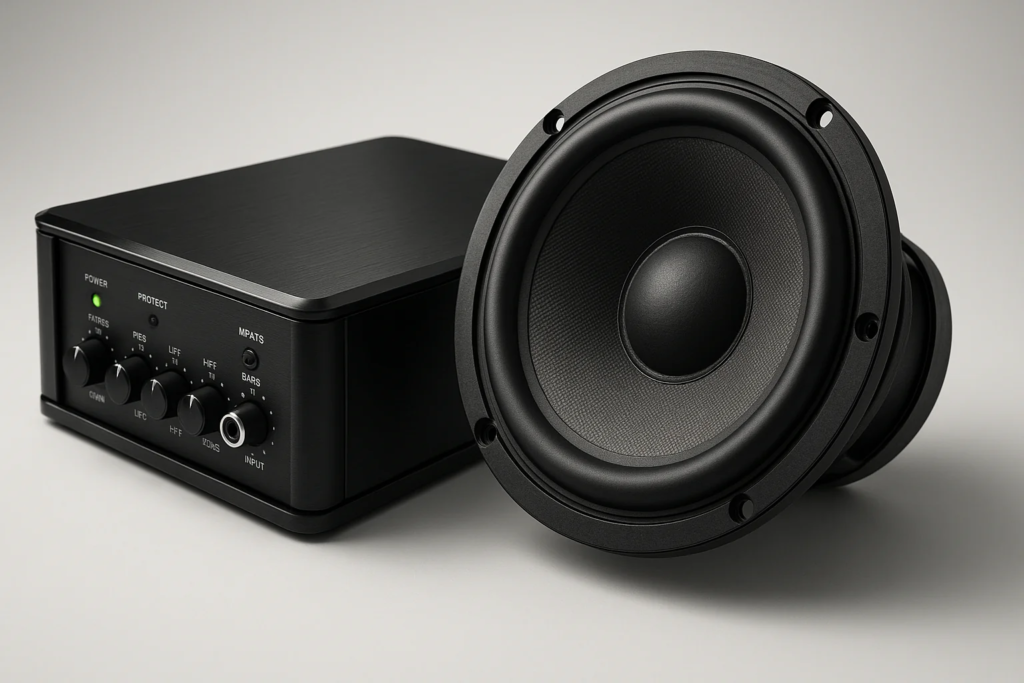
Amp reviews consistently stress system matching. Speakers with low sensitivity need more current. Speakers with impedance dips demand stability. An amp that matches the speaker load will sound relaxed and controlled. A mismatch leads to distortion and disappointment.
This is why good amp reviews describe the speakers used during testing. Context matters, and ignoring it leads to bad buying decisions.
Modern Features Discussed in Amp Reviews
Today’s amp reviews also consider convenience. Many amplifiers now include digital inputs, streaming platforms, and HDMI ARC for TV integration. These features only matter if they’re well implemented. A strong amp section combined with a weak DAC can hold back overall performance.
The best designs integrate features without compromising sound quality, making them practical long-term choices.
Common Mistakes Highlighted in Amp Reviews
Buyers often chase high watt numbers, ignore speaker compatibility, or overpay for unused features. Amp reviews warn against these traps by focusing on listening impressions instead of specs alone. Understanding this saves money and frustration.
How to Read Amp Reviews the Right Way
Trust reviews that explain how an amp sounds, what speakers were used, and where the limits are. Be cautious of vague praise without detail. Good amp reviews describe strengths and weaknesses clearly so you can decide if they matter to you.
short 5
FAQs
What do amp reviews help with?
Amp reviews help you understand sound quality, power control, and speaker compatibility so you can choose the right amplifier for your setup.
Are higher watts always better in amp reviews?
No. Good amp reviews show that design quality and power delivery matter more than high watt numbers.
Can amp reviews help beginners?
Yes. Clear amp reviews explain real-world performance and common mistakes, which helps beginners avoid poor choices.
Do amp reviews favor expensive amps?
Not always. Many amp reviews highlight mid-range amplifiers as the best value for most listeners.
Should I match amp reviews with my speakers?
Absolutely. Amp reviews are most useful when they discuss how an amplifier pairs with different speaker types.
Final Thoughts
Amp reviews work best when they guide, not sell. The right amplifier doesn’t dominate your system. It disappears, leaving only music. When chosen carefully, a good amp can serve you for years, sometimes decades. Focus on control, compatibility, and listening enjoyment. That approach will always outperform hype-driven decisions.